Laser & light
Fractional CO₂ Laser in Leipzig
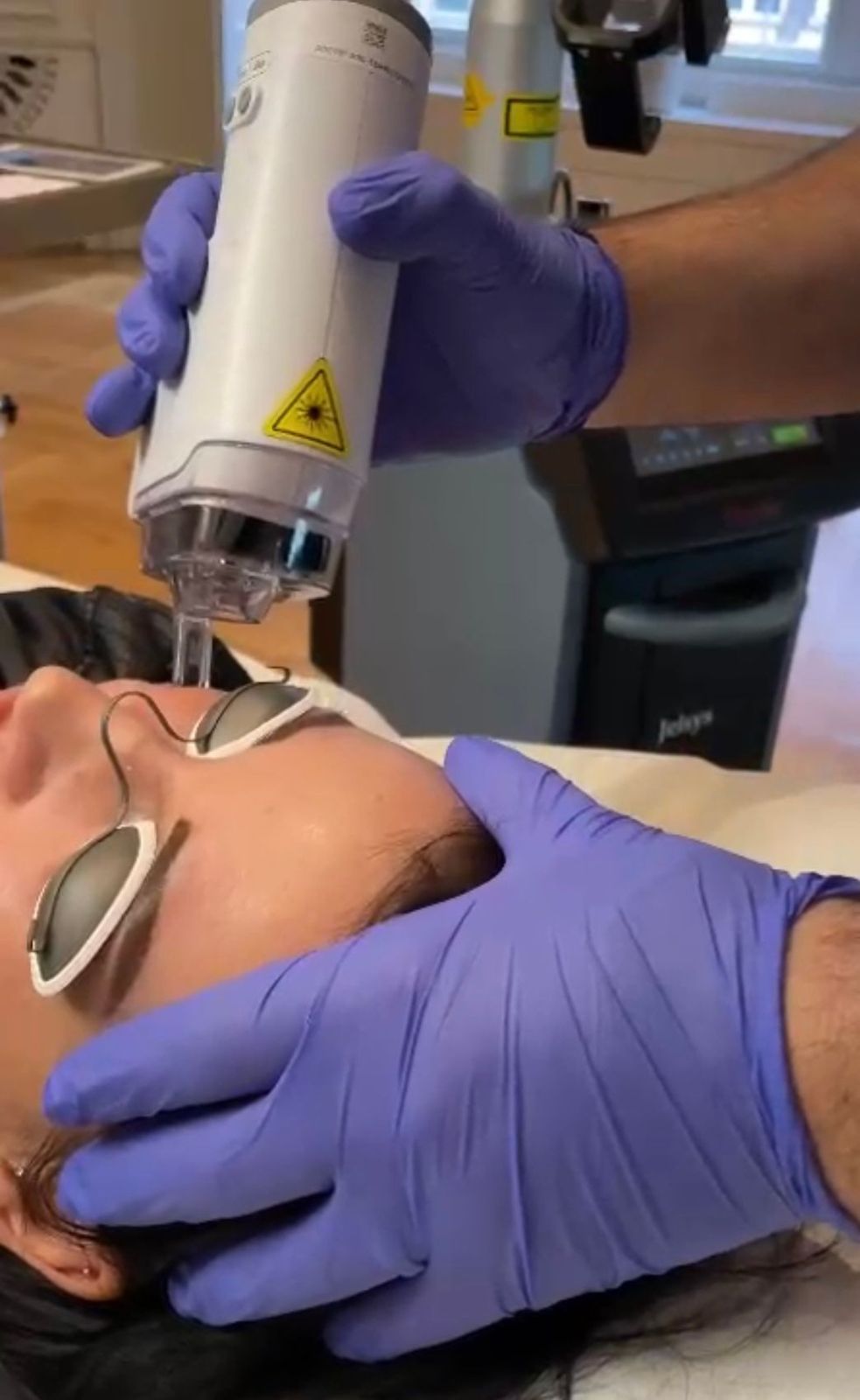
Fractional skin resurfacing with the Edge One CO₂ laser
Fractional CO₂ laser treatment for skin rejuvenation of the face, neck and décolletage – for wrinkles, acne scars, pigmentation spots and scars.
- Sessions
- 1–3, 6 weeks apart
- Treatment time
- approx. 30 minutes
- Downtime
- 3–5 days
- Healing
- 7–10 days in total
Procedure, effects & risks
The treatment
Fractional CO₂ laser is a type of skin treatment used by dermatologists and physicians to reduce acne scars, deep wrinkles and other skin irregularities. It is a non-invasive procedure that uses a carbon-dioxide-based laser.
The treatment is based on carbon dioxide (CO₂) lasers, which produce light at a wavelength of 10,600 nanometres. This wavelength allows tissue to be precisely cut, coagulated and ablated while sparing the surrounding structures.
The Edge One CO₂ laser
With the innovative Edge One CO₂ laser we can treat your skin even more effectively. Its Ultra-Pulse mode delivers the highest peak power at the shortest pulse duration. This allows the laser to reach the greatest penetration depth while keeping thermal damage to the surrounding tissue to a minimum.
Indications
In aesthetic medicine, our CO₂ laser treatment focuses on rejuvenating the skin of the face, neck and décolletage, also known as laser skin resurfacing. The method is particularly suitable for shallow to medium-depth wrinkles, for example on the forehead or around the eyes, and for larger areas with visibly reduced elasticity. The powerful laser can also make pigmentation spots and scars disappear.
Benefits
- Dramatic improvement in a single 30-minute treatment session
- Faster healing and recovery than with conventional lasers – the healing process may take 7–10 days in total
- Less discomfort for the patient during and after the procedure
- Performed under local anaesthesia with low risk
- With proper skincare and consistent sun protection, results last for many years
- Improved results and reduced downtime through combination treatment with Platelet Rich Plasma (PRP)
Contraindications
Unfortunately, fractional CO₂ laser treatment is not suitable for everyone.
- People with extensive breakouts, open wounds or infections on the face are advised to refrain from this treatment.
- People taking oral isotretinoin should also avoid the treatment, as it poses a risk to their health and safety.
- People with chronic conditions (e.g. diabetes) should first have a dermatological examination.
Treatment plan and downtime
Depending on the severity of the findings, 1–3 sessions are required. Treatments can be carried out at intervals of 6 weeks.
Thanks to the fractional technology, healthy tissue remains between the microthermal zones into which heat has been delivered. This healthy tissue supplies the cells and proteins needed for the skin to heal quickly.
As a result, patients have shorter recovery times – typically 3–5 days.
Before laser treatment
- Do not use products containing retinoids, as these can impair the final results.
- Avoid excessive sun exposure for 2 weeks before the laser treatment.
- Stop taking medications such as ibuprofen, aspirin and even vitamin E, as these can prolong blood clotting.
- Have a dermatologist assess whether you are a suitable candidate for fractional CO₂ laser treatment.
Possible side effects and complications
Because fractional CO₂ laser treatment introduces heat into the skin, patients may notice redness or swelling in the treated area. Some patients also experience discomfort and scabbing. In rare, worst-case scenarios, the following complications may occur after treatment:
- Prolonged erythema – Redness is to be expected after fractional CO₂ laser treatment, but it usually resolves within three to four days. If the redness is still present after one month, it is classed as persistent erythema.
- Hyperpigmentation – Post-inflammatory hyperpigmentation (PIH) occurs most frequently in patients with darker skin. It usually develops after an injury to or inflammation of the skin.
- Infections – Bacterial infection is rare, occurring in only 0.1% of all treated cases. Nevertheless, it is important to recognise and treat it correctly in order to avoid further complications.
After laser treatment
Fortunately, the risk of these side effects can be minimised and completely eliminated by following our aftercare advice:
- Apply sunscreen to protect the skin from harmful UV rays.
- Use a gentle cleanser and a moisturiser twice a day.
- Avoid harsh products and limit the use of make-up, as these can further irritate the skin.
- Apply an ice pack or a compress to the treated area during the first 24–48 hours.
- Apply a regenerating ointment to prevent scabbing.
- Avoid activities such as swimming and exercise to minimise the risk of infection.
This information does not replace medical advice. Whether a treatment is suitable for you is clarified in a personal consultation at the Villa Hupfeld.
Insights
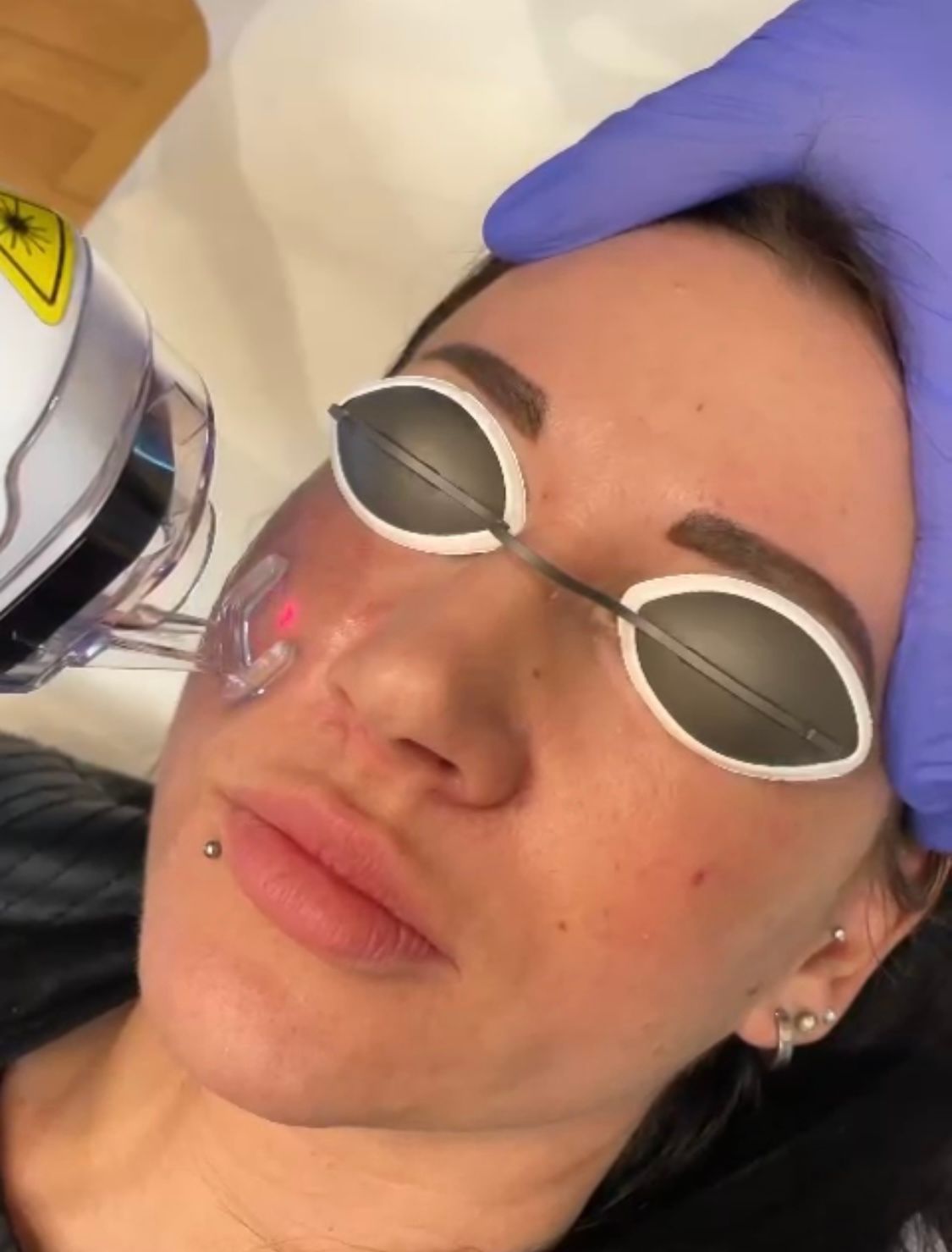
Fractional CO₂ laser treatment with eye protection
Often combined with
Treatments →
Thread Lift
Absorbable threads, placed under local anaesthesia, lift sagging tissue and stimulate collagen – bridging the gap between injectables and a surgical facelift.
from €600
Ultherapy HIFU
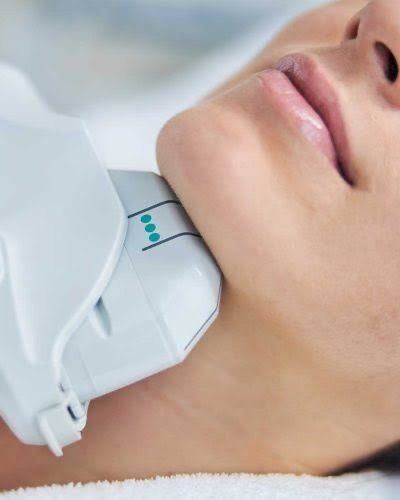
Focused ultrasound reaches down to the SMAS layer, stimulates new collagen and tightens the face, neck, décolletage and body areas – without a scalpel.
from €400
3D IPL Tight & Bright Light Treatment
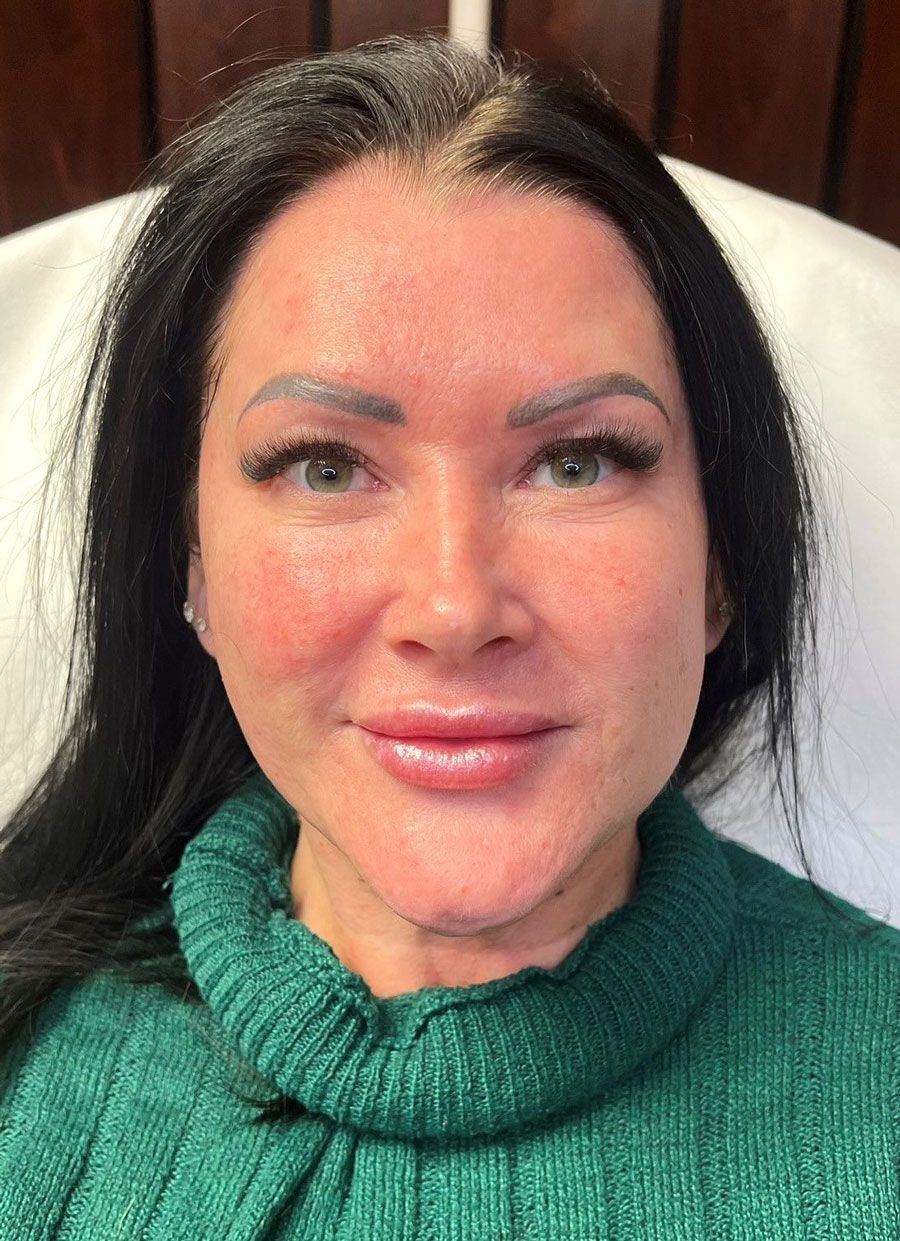
Intense pulsed light to treat vascular lesions, pigmentation spots and skin laxity through collagen stimulation – usually felt only as gentle warmth.
from €350
Appointments
Your next step: a personal consultation.
Every treatment begins with a consultation at the Villa Hupfeld. Call us, message us on WhatsApp or request your preferred appointment online.
Opening hours: Tue–Fri 11 am–7 pm
Not sure yet? Start the treatment finder Body Map
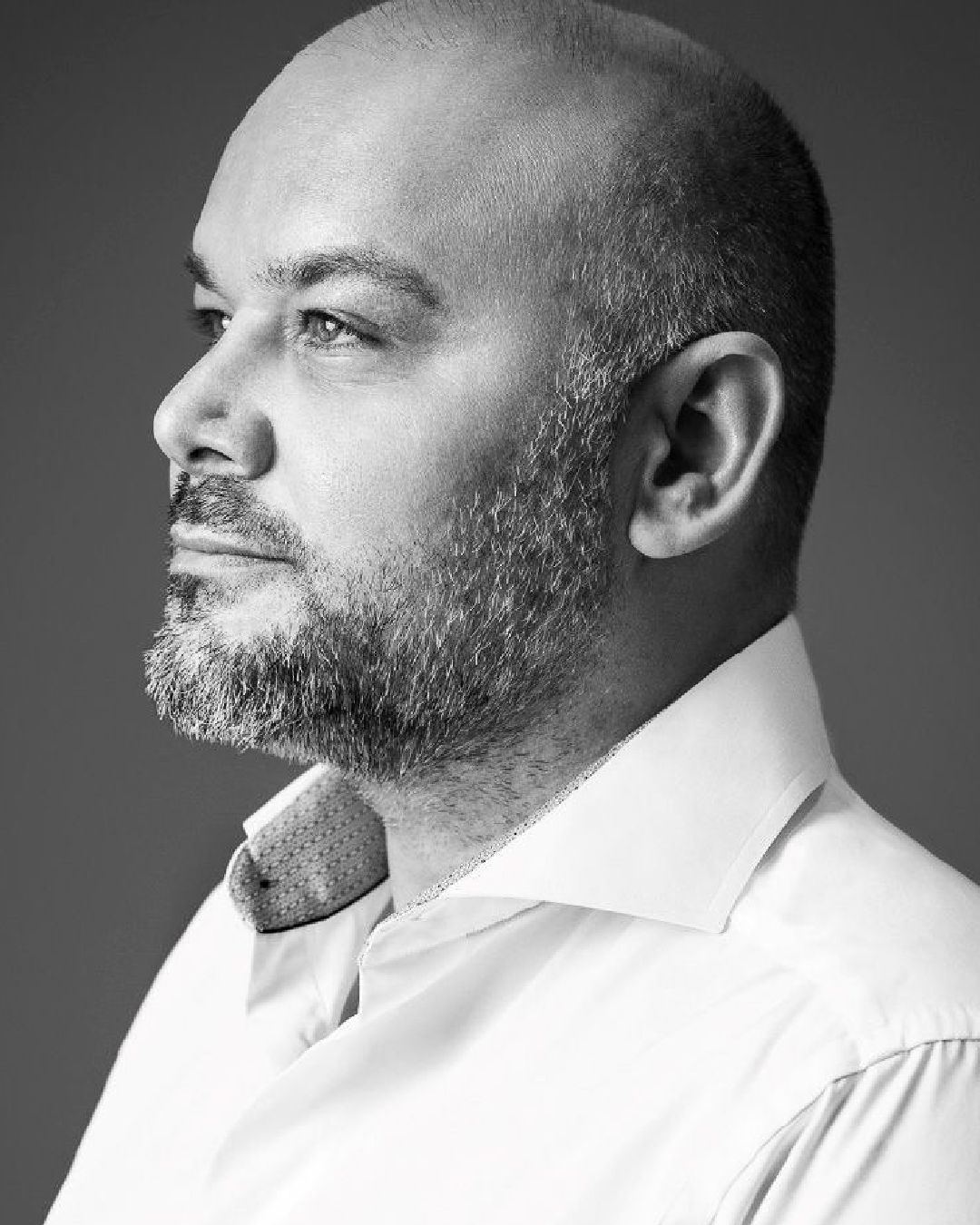
Medical director
Christos Dimas
Specialist in orthopaedics and trauma surgery · aesthetic medicine since 2018
Member of DGBT and ISAC
Meet the team →